I am no stranger to the plethora of fandoms out there. In fact, I find it very difficult to believe that someone could grow up in the age of the internet and not be part of at least one fandom in their lifetime. The internet is the perfect platform to connect with people from around the world that are absorbed in the same interests, as well as having access to endless amounts of content that relate to said interest.
I believe that much of this content and connection is in good spirits and does not result in harm or interference to anyone outside of the community. Most fandoms and their members, I’ve observed over time, are just trying to add to the experience of what they hold dear to their hearts. Henry Jenkins puts it quite well with this quote:
‘Fan culture was defined through the appropriation and transformation of materials borrowed from mass culture; it was the application of folk culture practices to mass culture content.’ (Jenkins 2006, p246)
They want to add thoughts and theories, alter existing content for a better/differing outcome or to just express their appreciation for the topic at hand. However, there are groups of people within fandoms that take it too far, especially across the internet where they form an echo chamber of sorts. The dangers of fandoms become more prevalent when the fandom is focused on a real person or group of people.
I don’t know if anyone else was a fan (or phan if you really want to go there) of Dan and Phil, but oh boy I was. I just genuinely loved the content that they put out on YouTube and this narrative of themselves they had constructed. I want you to all keep in mind that I was an early teen when this fascination began and I was very confused about my own identity and how I was to express myself through the years of puberty when mother nature decided that my whole body would basically self-combust. I found a connection with these people that I didn’t really have with anyone else; I related to them and their mannerisms as well as everyone else in the community.
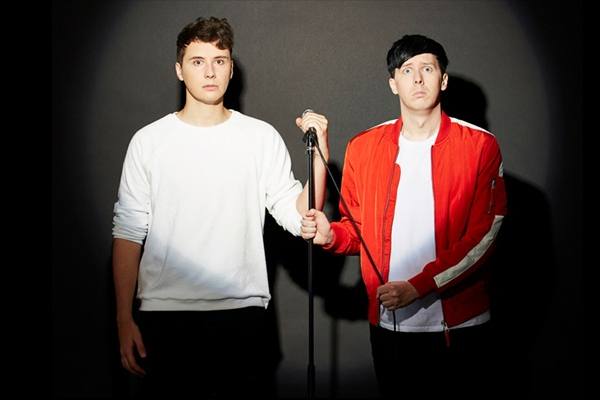
However, the larger sector of this community was packed filled with people that created stories, provided ‘proof’ and fantasied about the two being a couple. To what gain? I don’t know… but it did have negative impacts on the pair over the years, whether they truly wanted to admit it or not. It was a huge conspiracy theory that I feel most of the fandom needed to know, as if they had the right to it considering the two documented a portion of their lives to YouTube. This shows the blur some fans have between their fandoms and reality; just because they’ve chosen to unveil a highly edited portrayal of what their lives are like doesn’t mean that what they are depicting is the whole truth, hence why earlier I referred to their content as being a constructed narrative.
The strength of an audiences love for their chosen media content makes for an interesting relationship that highlights the updated understanding of the active audience model. This does contradict earlier thoughts that linear models once showed as a member of an audience may not just receive & consume the content but add so much more to that experience. It’s not just about consumption, but almost regurgitation and transformation of what has been consumed into something completely new which is truly special.
~Bree
Reference List
Jenkins, H 2006, Convergence culture: where old and new media collide, NYU Press, New York.
 drawoncedrawtwice